
Pre-design survey
We collect the initial data, assess the condition of the building and its existing systems, calculate the loads and draw up the design brief.
Our core competence is designing building services and supervising construction. The group has worked in this field since 2007, and we build energy-saving technologies into the design from the outset so that the building or plant uses less energy throughout its service life.

We collect the initial data, assess the condition of the building and its existing systems, calculate the loads and draw up the design brief.
Heating and heat supply, ventilation and heat recovery, air conditioning and cooling, heat pumps, solar plants and energy storage, automation.
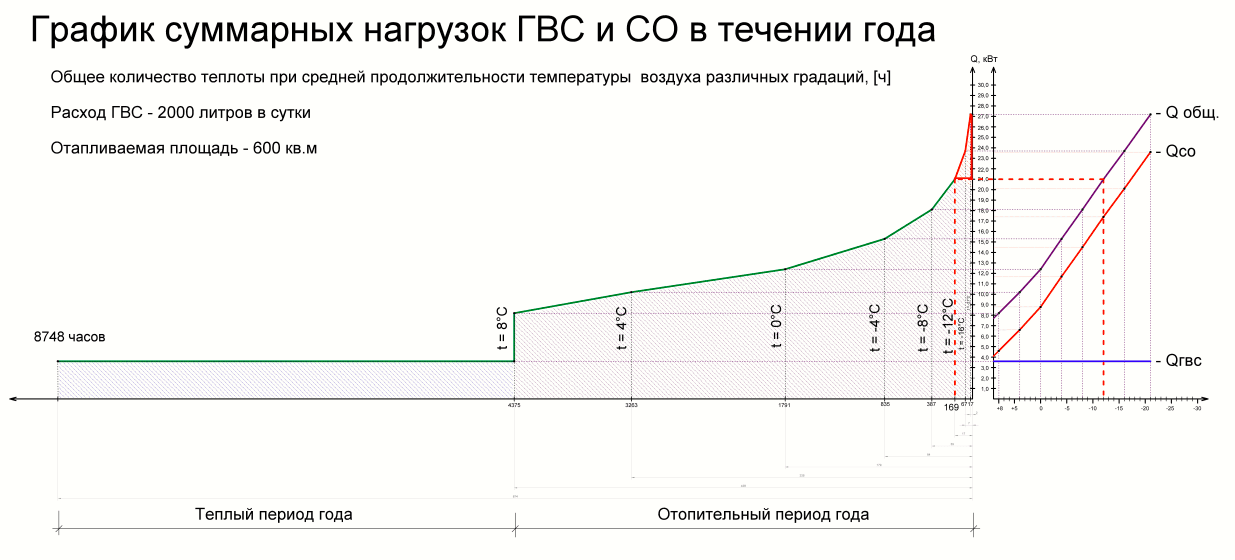
We select equipment using an hourly model of the Tashkent climate and calculate annual consumption, costs in UZS and CO₂ reduction.
We prepare the design documentation with an explanatory note, drawings and specification, and see it through the approval process.
Designer's supervision, control of deliveries and installation, answers to contractors' questions, acceptance of works and commissioning.
Equipment servicing and metering of actual consumption. This data confirms the savings and is used for ESG reporting.
Energy efficiency is built in a set order: first the building envelope, then heating, ventilation and air conditioning, then heat recovery and finally monitoring. Start by buying equipment and it ends up oversized and more expensive to run. The right order cuts both capital and operating costs.
| Ventilation | 20–40% |
|---|---|
| Walls | 25–30% |
| Windows | 20–30% |
| Roof | 10–20% |
| Floor | 5–10% |
That is why ventilation with heat recovery and insulation pay off sooner than replacing the boiler. Example: 100 mm of insulation instead of 50 mm cuts the wall's heat loss by 40%, from 27.6 to 16.4 kWh per m² over the heating season. For 120 m² of wall that is about 1,340 kWh a season, and the boiler or heat pump can be sized smaller.
For solar plants, at this stage we build a 3D model with shading analysis and check the azimuth and inverter configuration. For heat pumps we calculate the seasonal SCOP rather than the rated COP. For chillers we check where their heat can be put to use.
Energy-saving requirements in Uzbekistan are getting stricter (Presidential Decree PD-70, Cabinet of Ministers Resolutions No. 242 and No. 230), and exporters need to verify the carbon footprint of their products. Decisions made at the design stage cost less than rework and provide data for reporting straight away. Learn more in the ESG and decarbonization section.
Fill in the contact formFill in the contact form